Bees replicate to keep their species going by swarming. When a colony swarms, the old queen and about 1/2 the population will leave the hive and begin a search for a new home.
To prepare, the worker bees decide to leave when they feel crowded or too much pest pressure. They will make a few of the new eggs into queen cells, feed large amounts of royal jelly, and begin to make their new queen.
The queen does not make this decision, she is not in charge. Her only function is to lay eggs. In order to prepare her with the ability to fly, the workers will chase her around to prevent egg laying, which makes her abdomen a bit smaller.
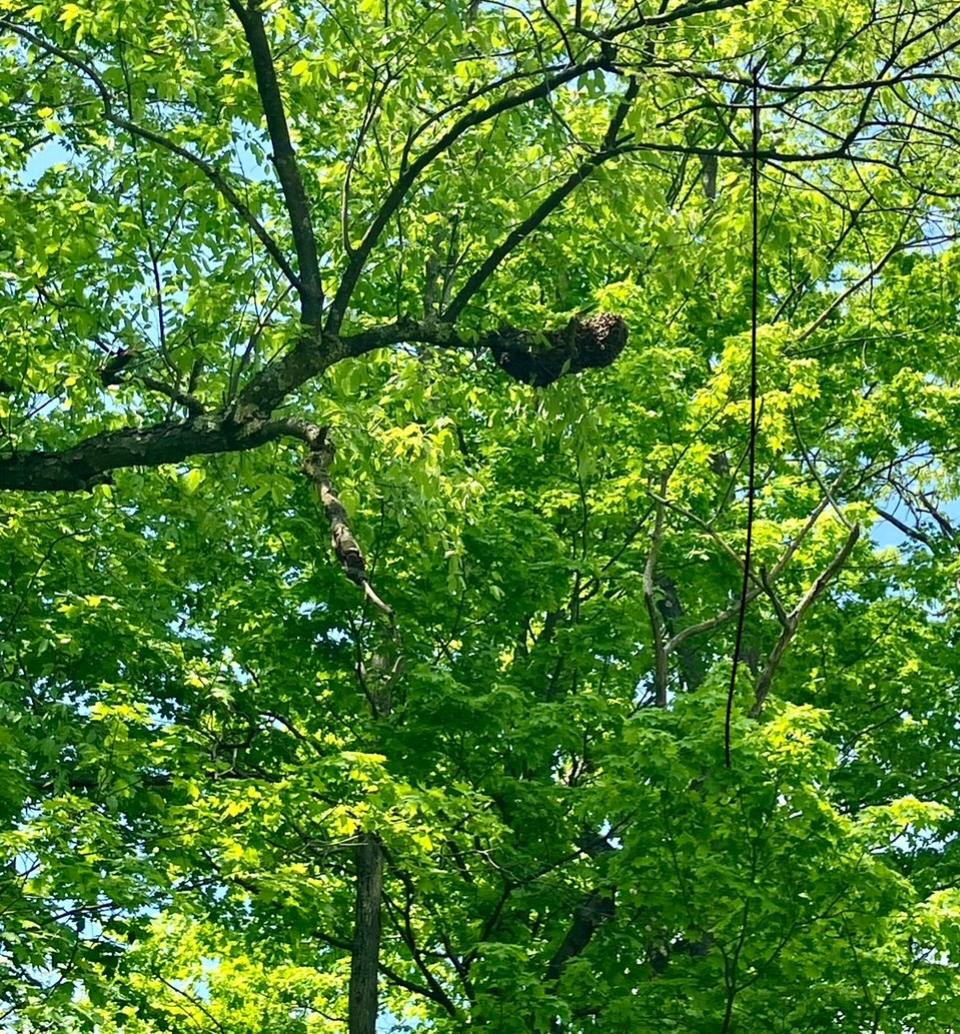
When they are ready, they gorge themselves on honey, and then begin to pour out of the hive in a cloud that is loud and populous. They land nearby forming a cluster on a tree branch, fence post, or other support, and then proceed to send out scouts to find a suitable new cavity (a hollow tree, an empty bee box or swarm trap, or even an opening in the siding of a building).
If you find a swarm, you will likely be surprised at how calm they are and not aggressive. They are full of honey, in search of a home, and have nothing to defend.
Scouts return, and communicate what they found. Several other scouts will then go out and investigate these new homes, walking around inside to measure how much room there is and how beneficial the space will be.
All the scouts present their findings in a dance. The bees will then make a choice, make a vote, and then follow the winning scout to the new location. The queen will follow along.
One of the first actions is to build some comb for the queen to begin laying eggs. Within just a few days, foragers will bring back pollen and nectar to build resources and feed new brood.
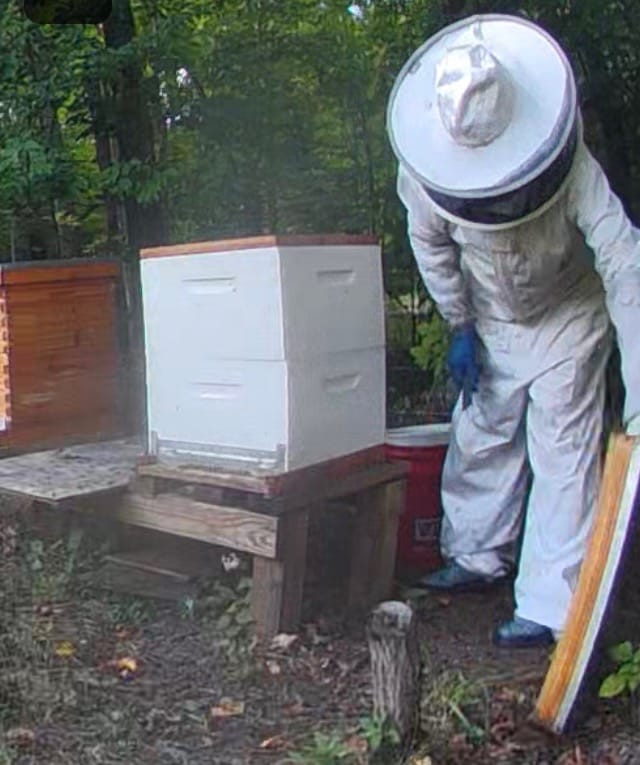
Responsible bee keepers will keep an eye out for queen cells when doing inspections. We don’t want to lose our bees to the trees. This loss will affect honey production, and maybe even their ability to survive. There are steps we can take to save our populations, but the reality is, bees will swarm, whether they live in an apiary or live in the wild. They will find new homes. I have found swarms that I’m fairly certain came from a tree.
If you see a swarm flying, or hanging in a tree, let a local beekeeper know. The state keeps a list of swarm catchers, and those that do removals from buildings. Just please don’t spray them. Some states have laws against killing honeybees. In truth, though, there are times when a colony has to be destroyed. It might have bad genetics making it dangerous to others like Africanized bees(very unlikely), or they might have American Foul Brood disease. But to just kill them because they are a nuisance is sad. Please let a beekeeper collect the bees, or do a removal.